
Patching one leak, then another, then finding a wet spot in the ceiling three months later gets old fast, and at some point the patches end up costing more than fixing the real problem. At Coopers Plumbing, we handle repiping in and around Asheville, NC, for homeowners dealing with rusty water, fading water pressure, and pipes that have run out of years. You'll hear straight from us whether your system needs replacing now or whether you've still got some time left.
Based in Asheville, NC, Coopers Plumbing is a family-owned plumbing company that has been repiping homes across Buncombe County and nearby Western North Carolina communities since 1999. Holding a P-1 Residential and Commercial Master License, we specialize in whole-home repiping, galvanized pipe replacement, polybutylene and poly pipe replacement, leak repair, and upgrading outdated plumbing systems throughout older homes in the area.
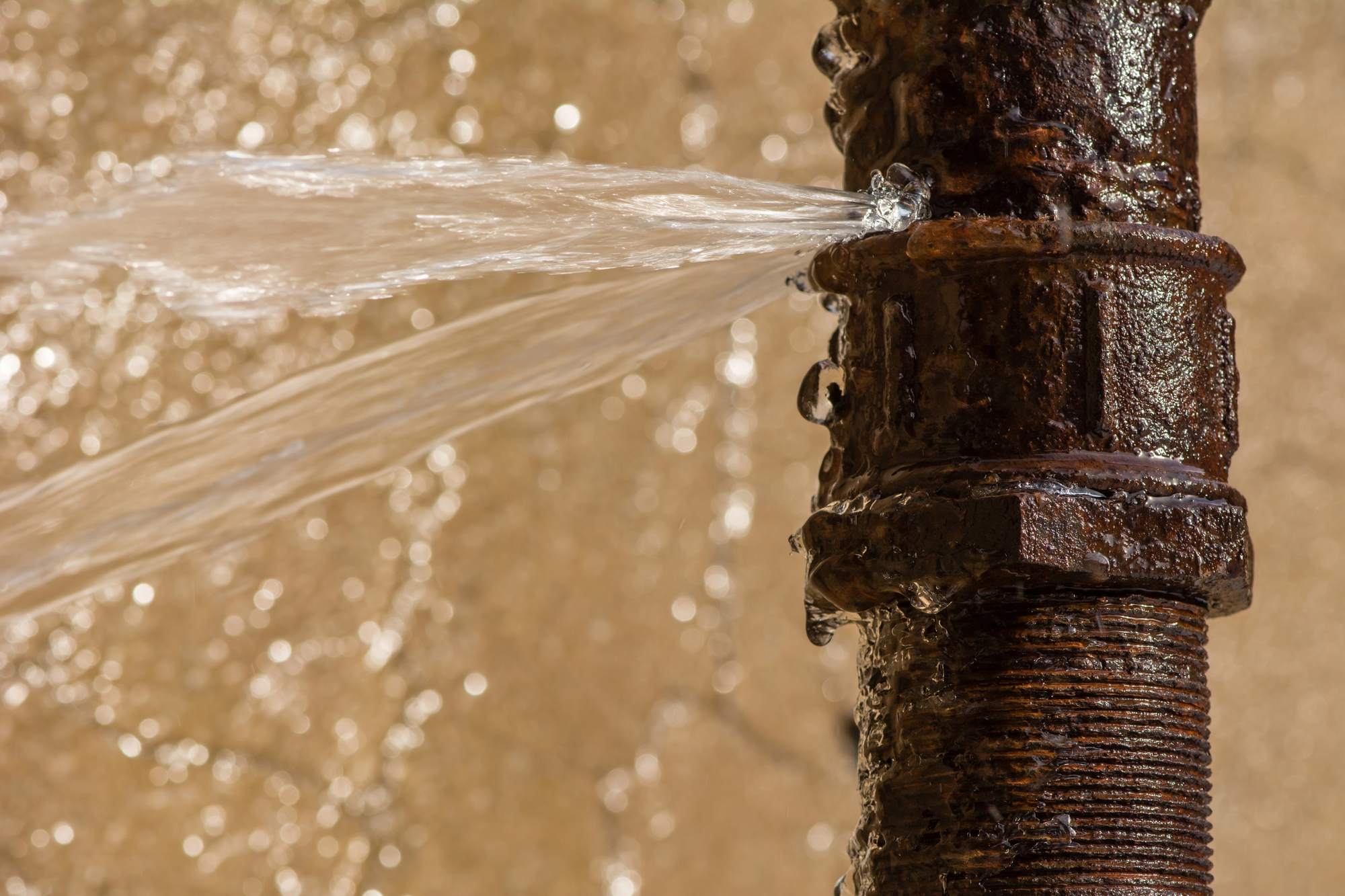
The signs show up one at a time, and they're easy to write off. Water comes out tinted brown first thing in the morning. Pressure in the upstairs shower drops to a trickle when someone runs the dishwasher. A pinhole leak springs somewhere you can't reach, gets patched, and another shows up a few feet down the line.
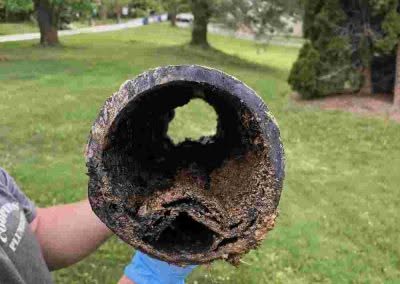
All of that traces back to what the pipe is made of and how long it's been sitting there. Galvanized steel corrodes from the inside out, and the rust builds up until the opening is barely wide enough for water to squeeze through. Polybutylene, which was used in many homes built between the late seventies and the mid-nineties, becomes brittle over time and fails at the fittings with little warning.
Fixing it means replacing the supply lines rather than chasing individual leaks. We first map the runs, determine the shortest paths through the house, and cut access where necessary to minimize drywall damage. New copper or cross-linked polyethylene (PEX) goes in, everything gets pressure tested before we close anything up, and we work in sections so your household isn't without water for days.
What you end up with is water that runs clear and strong from every fixture, plus a supply system that'll outlast most of what else is in the house. The leak calls stop. So does the low-level worry about what's soaking into the framing where nobody can see it.
Here's a closer look at the work we take on when a home's supply lines have reached the end of the line.
Age alone doesn't always mean a pipe needs to come out, so we look at the material, the water quality, and how much life is realistically left. Some systems have a decade to go, and telling you that costs us a job in the short run but earns the call when the time actually comes. A licensed plumber should be able to give you that assessment without pushing a sale.
Brown or orange water usually indicates corrosion in galvanized pipes, especially if it clears after running the tap for a minute. Replacing the affected runs addresses staining in your sinks and tubs and the metallic taste. Filters only mask what's happening upstream, so the fix has to happen in the pipe itself.
One leak is bad luck, and three in a year mean the whole system is telling you something. Chasing them individually adds up quickly in both repair bills and water damage. Replacing the supply lines outright ends the cycle, rather than buying for a few more months.
Pressure that dropped off slowly over the years usually points to corrosion narrowing the pipe rather than anything wrong at the street. Testing at a few points around the house tells us whether the restriction is isolated or system-wide. A full home repiping job brings the flow back to what the fixtures were designed for.
Plenty of Asheville homes built before the sixties still have galvanized steel running through the walls, and it rusts shut from the inside as it ages. We pull those old lines and run copper or PEX in their place, sized correctly for the fixtures they feed. Restored flow is often the first thing homeowners notice.
Gray polybutylene was popular for about two decades and was found to degrade from the inside where it contacts chlorinated water. Failures come suddenly, often at a fitting, and often while nobody's home. Getting it out ahead of time is far cheaper than dealing with what happens when it lets go.
Older homes sometimes have three or four generations of plumbing spliced together, with copper tied into galvanized and a stretch of poly in between. Mixed materials corrode faster where they meet, which creates weak points nobody planned for. Bringing the whole house onto one modern material clears that up for good.
Replacing every supply line at once sounds like the bigger job, and it is, though it's usually the better value when the system is failing in multiple spots. A whole-home approach means one project, one round of patching, and one warranty rather than a string of emergency calls. We can also schedule our repiping work around your household so your home stays livable.
An older tank that's rumbling or popping is usually full of sediment, which means it's burning more fuel to heat the same amount of water. Sometimes a flush buys you a few more years, and sometimes the tank is too far gone, so we'll tell you which one you're looking at. Our water heater services range from a simple thermostat swap to a full replacement with a properly sized unit for your family.
A single slow drain usually points to a local issue. Every drain in the house acting up at once points outside, toward the main line. That distinction matters because it changes the whole approach, and our sewer line services start by figuring out which situation you're actually in before anyone talks about digging.
Guesswork gets expensive fast when the pipe in question is buried under a driveway or a mature tree. Running a camera through the line first tells us the depth, the direction, and the exact spot where things went wrong. Our sewer camera inspections turn a big unknown into a specific problem with a specific fix, which usually means less digging and a smaller bill.
Hair and soap scum in the bathroom, grease and food scraps in the kitchen, and every so often a kid's toy where it definitely shouldn't be. Different clogs need different approaches, and part of drain cleaning is knowing when a snake will do the job and when the line needs something stronger. We'll also point out habits that keep causing the problem, since nobody wants us back next month for the same thing.
You don't need to know the name of the part that failed. Describe what you're seeing, hearing, or smelling, and we can usually narrow it down before we even pull up. Plumbing repairs are a huge part of what we do day-to-day, so there aren't many residential problems around here that we haven't already run into a dozen or so times.
Box store fixtures often come with plastic supply lines and hardware meant to get you through the warranty period and not much further. We'll use better connections and check the shutoff valves while we're under there, because those tend to seize up in older homes. Whether it's one faucet or a whole bathroom's worth, a plumbing fixture installation goes more smoothly when somebody's already dealt with the surprises hiding behind the wall.
There's a difference between a problem that can wait until morning and one that can't. A slow drip into a bucket can be held. Water actively running where it shouldn't, sewage coming up through a floor drain, or a water heater dumping its tank into the basement all fall under emergency plumbing, and those are worth calling about right away.
Repiping is a big job to hand over to somebody, so here's what you're getting with us.
More than two decades of hands-on work and a P-1 Residential and Commercial Master License mean we've repiped enough houses around here to know what's waiting behind your particular walls.
Ownership stayed right here in Asheville while private equity bought up shops all over the country, and that independence is why our pricing answers to homeowners instead of investors.
Quality materials and equipment from names like Rheem and Bradford White go into every job because cutting corners on parts shows up years later.
Behind our workmanship is a one-year labor warranty, with additional coverage available for certain equipment.
If you're dealing with frequent leaks, low water pressure, rusty-looking water, or older galvanized or polybutylene pipes, your plumbing may be showing its age. A plumber can take a look and help you decide whether a repair will do the trick or if repiping makes more sense.
Most whole-house repiping jobs take a few days, though the timeline depends on the home's size and how easily the pipes can be accessed. Older homes around Asheville can take a little longer if the plumbing runs through tight or hard-to-access areas.
If old pipes keep leaking, clogging up with corrosion, or causing pressure problems, replacing them can save you from chasing the same issues over and over. New piping can also provide a more reliable plumbing system and improve water flow throughout the house.
Whole-home repiping usually means replacing outdated water supply lines and installing new piping throughout the house. The job may also include making new connections, pressure checks, and testing the system to ensure everything is working properly before the work wraps up.
One small leak doesn't always mean you need to repipe the whole house. If leaks keep popping up in different places, though, or your pipes are badly corroded or outdated, repiping may make more sense than paying for repair after repair.
FAQs reviewed by Chris Cooper, founder and owner of Coopers Plumbing, a licensed plumber in Asheville, NC.
Old pipes only get more expensive the longer they sit. Contact us, and we'll take a look at what you've got and tell you honestly where things stand.
Business Name: Coopers Plumbing
Address: Asheville, NC, 28804
Phone: 828-254-0383
Business Hours:
Mon - Fri: 9:00 AM to 5:30 PM
Sat-Sun: Closed
24 Hour Emergency Service Available
As a Master Licensed contractor, we stand behind our workmanship with a 1-year labor warranty. Ask us about additional warranties.